





Being in a relationship with someone older
Sex and relationships
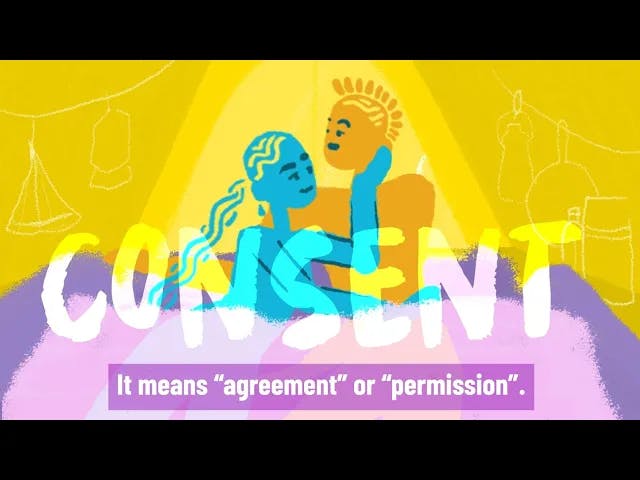
Giving consent is when you clearly agree to take part in any sexual activity.
If someone seems unsure, stays silent, doesn’t respond, or says ‘maybe’ this isn’t consent. Having sex without consent is wrong and illegal.
You always have the right to say no to any form of sexual activity. And you can agree to do something then change your mind – everyone has the right to do this, even if you are in a long-term relationship or married.
Giving and getting consent may feel awkward. But being able to share what you feel comfortable with will make the experience of sex more enjoyable.
The meaning of consent is when someone clearly understands what they are doing and agrees to a sexual activity, this is called informed consent. Sex without informed consent is wrong and illegal.
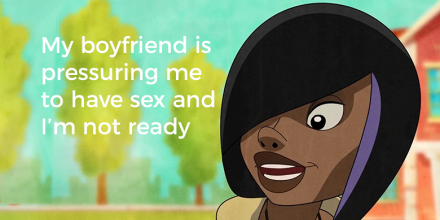
If you feel pressured to have sex or too afraid to say no that’s not OK, and is a sign of an unhealthy relationship. This is a common situation that many young people face, especially when they are in a relationship with someone older.
UN Women defines rape as: “Any non-consensual vaginal, anal or oral penetration of a sexual nature of the body of another person with any bodily part or object, including through the use of physical violence and by putting the victim in a situation where they cannot say no or they have to comply because of fear. This can be by any person known or unknown to the survivor, within marriage and relationships, and during armed conflict.”
Rape and sexual assault are illegal and are acts of physical, psychological and emotional violation inflicted on someone without their consent.
Not all cases of sexual assault involve violence, cause physical injury or leave visible marks. Unless both people have made it absolutely clear to the other person that they want to have sex – then you can’t be sure it is consensual.
Sexual assault can cause severe distress, emotional harm and injuries which can't be seen – all of which can take a long time to recover from. To keep each other safe, it is important we all practice asking for consent every time.
For children under the age of consent it doesn’t matter if they agree to the sex, it will always be illegal to have sex with them. In other words, it is rape. The age of consent differs per country, for example the age of consent in South Africa is 16 and in Ethiopia it is 18.
Please see the in detail tab for more on what to do if you’ve been raped.
I’m proud to say I have been living positively for 27 years
Warning: this story mentions rape and sexual assault.
Whether you’re getting closer and about to start having sex or you’re already ‘in the moment’, consent is all about good communication.
Giving consent can look like:
clearly agreeing to a sexual activity either by saying yes, or something else positive like “I’d like to try that”
using physical cues, like letting out a sigh of enjoyment, responding with a similar touch or looking your partner in the eye and smiling.
Getting consent can look like:
asking “Is this okay?” and getting a clear and positive response
talking about what you do and don’t want to do before you start.
Consent is NOT:
ignoring when someone says no
assuming that wearing certain clothes, flirting, or kissing is an invitation for more
when someone is under the legal age of consent (a law that states how old someone has to be to legally consent to have sex) – this is classified as child abuse or rape
when someone is not able to make a choice because of drugs or alcohol
when someone feels pressured into having sex.
Remember, you should not assume that your partner will want to have sex just because you’ve had sex with them before – you need to get informed consent every time you are intimate with someone!
Many girls grow up being told that saying “no” to men is wrong. This can make it really difficult to say no to sexual activities, even if you want to.
But remember, everyone has the right to say no to any form of sexual activity. It doesn’t matter who the other person is, whether it’s your first time with them, you’re married or in a long-term relationship, or what you’ve done with them or others before.
It’s fine! Remember, you can say “no” (withdraw your consent) at any stage – you don’t have to have a reason. Your partner should respect your decision and stop straight away.
Giving consent for one type of sexual activity doesn’t mean you’re giving consent to go further. Agreeing to kiss someone doesn’t mean you’ve said yes to them taking your clothes off, for example.
They may say it in other ways, like “not right now”, “I’m not sure”, or they might stay silent. Their body language might also be a signal – they may turn away, curl up, or not respond.
Sometimes our bodies will be turned on but we don’t want to be touched. But even if a penis is erect or the vagina is wet – it’s not an automatic invitation. That’s why it’s always important to check.
Sex can be a fun, satisfying and bonding part of a romantic relationship. But sex is only one aspect of a good relationship and having sex is not proof of love or guarantee of fidelity. If your partner doesn’t want to have sex remember that they are saying no to sex, not to you.
You don’t have to have sex if you are in a relationship – you still have the right to say no.
This is true no matter what sort of relationship it is, whether you’re married or in a long-term relationship, or if you’ve had this type of sex with that person before. It is always okay to say no if you want to.
You always have the right to say no to any form of sex or sexual activity – it doesn’t matter who the other person is, what your relationship is, what you’ve done with them, or others, in the past.
Giving your consent and getting your partner’s consent may feel awkward, and in long-term relationships people can forget to check. But the only way to really know what you’re both agreeing to is to keep communicating. Ultimately, sex is about communication and can and should be a positive and pleasurable experience when it’s based on mutual consent.
Sex without consent is a crime whatever your relationship to the other person is.
Sex should not be used to show strength: forcing someone to have sex does not make a man more manly. And having sex when you don’t want to is never something you should do to be a ‘good’ partner, which is something a lot of women have been brought up to believe.
If you feel pressured to have sex or feel too afraid to say no, that’s not okay. This is called sexual coercion and it is a sign of an unhealthy relationship.
If you’re married to someone it doesn’t give them the right to do what they want to you – or you to them. If you say no to something, or show that you don’t consent, and your husband or wife ignores you then what they are doing is wrong.
Whether you have sex or not is your decision – and your decision alone. If any of these phrases sound familiar your partner may be pressuring you into having sex:
If you’ve been raped (forced to have sex) and they didn’t use a condom you can go to your healthcare provider and ask for emergency contraceptive (the morning after pill) so that you don’t get pregnant and PEP, to reduce the risk of getting HIV.
If you are in a relationship and your partner refuses to wear a condom or use birth control then it is a good idea to talk to a healthcare professional. There are lots of contraceptive options that you can use without telling your partner, and you can protect yourself from HIV by using PrEP.
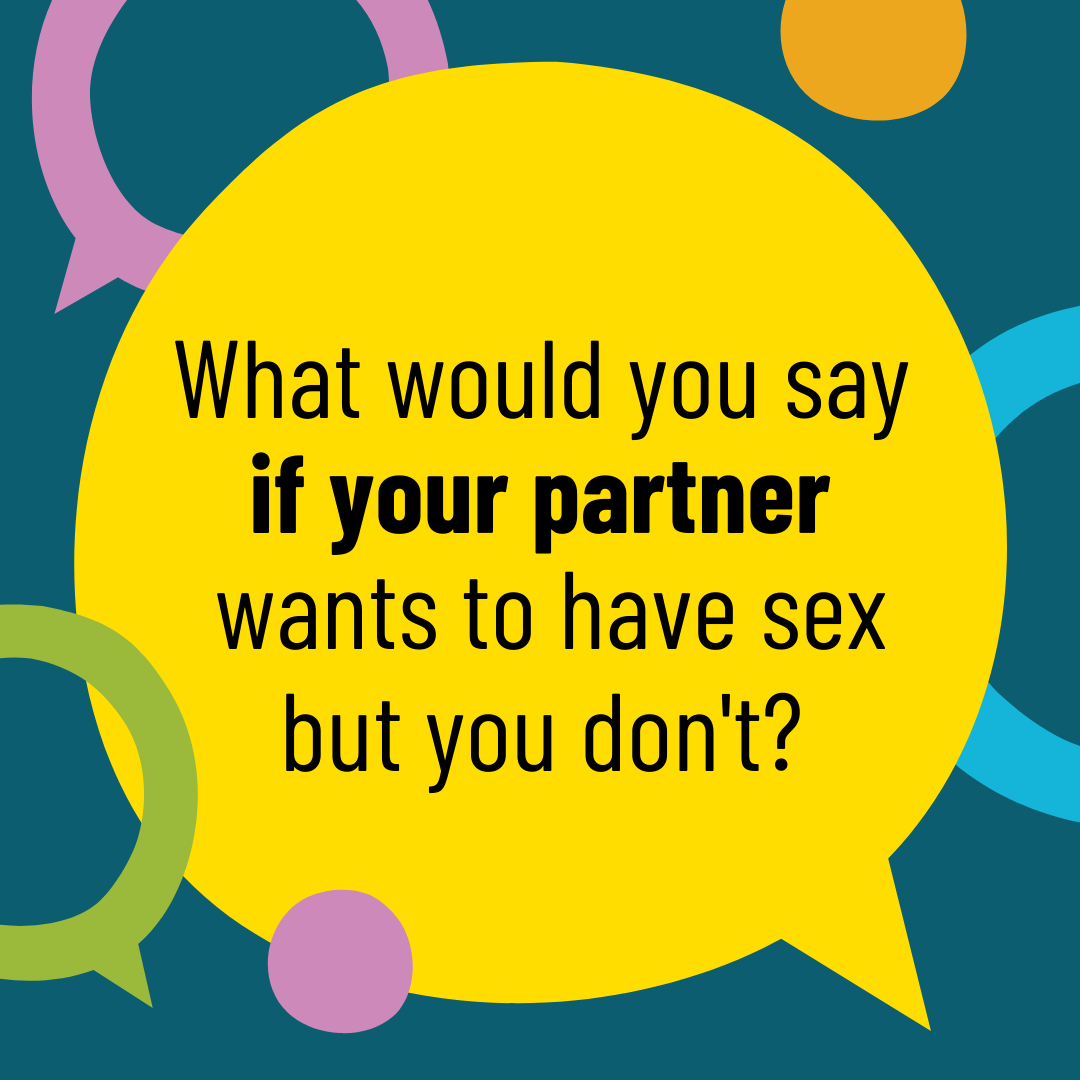
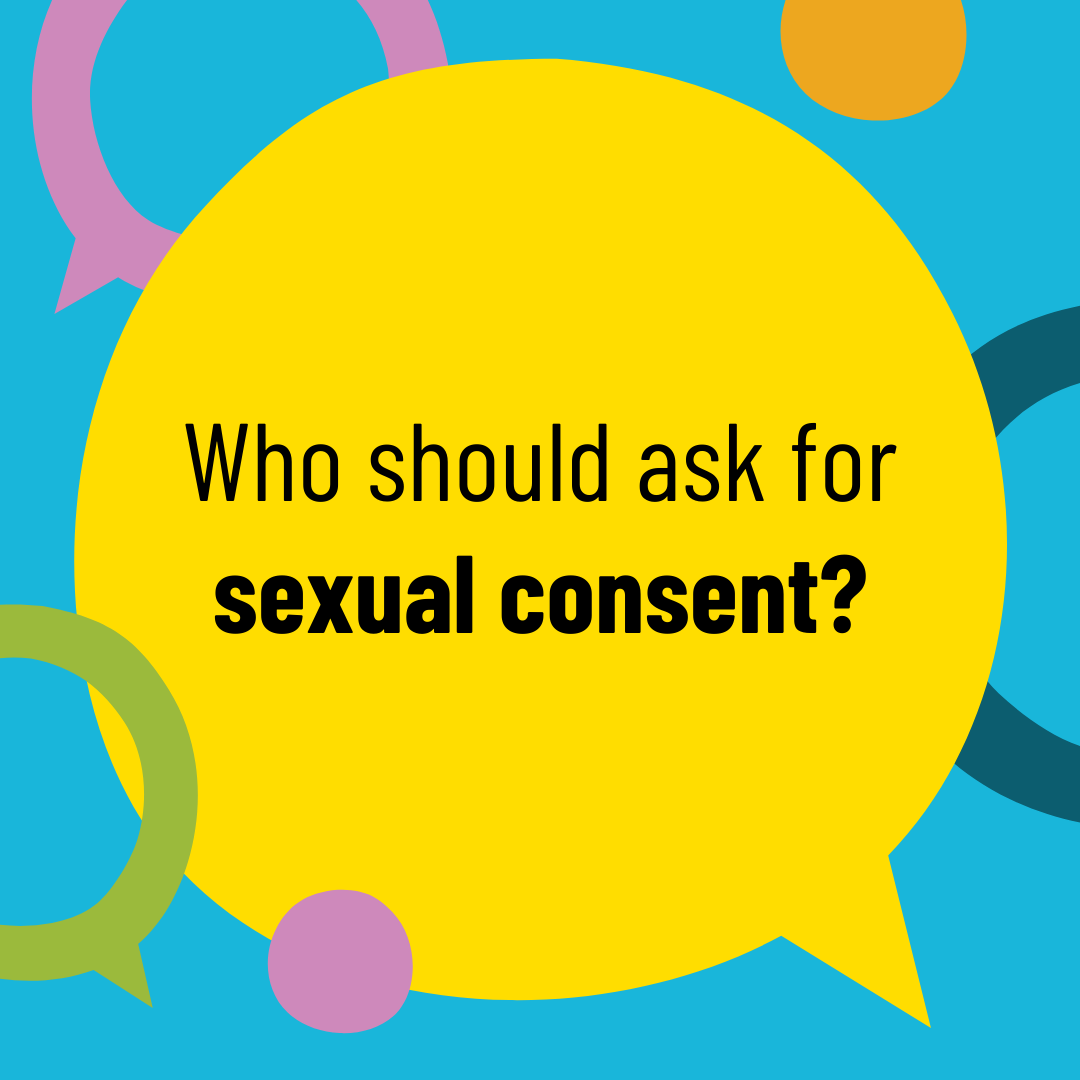
Here are a few questions to help kick-off discussions on the issues you need to talk about! You can share them on social, on WhatsApp or just get talking.
First of all, it’s not your fault and it’s never okay. If your partner has sex with you when you do not want to, they have committed a crime.
You might feel like you’re alone, but you’re not. Experiences like this are, unfortunately, common and there are people who can help and support you.
As hard as it might feel, it’s a good idea to tell someone you trust about what has happened. They can help you get the support you need. They could also go with you to the police, but only if you feel you want to.
It can really help to talk to people who have gone through similar things – you can do this by trying a support group or an online forum.
If no condom was used then you should go to a health professional immediately and speak to them about getting tested for sexually transmitted infections, including HIV, and accessing emergency contraception.
Remember to listen, believe them and do not judge – the more supported someone feels, the easier it will be for them to open up.
Help them understand that what has happened isn’t their fault. When they are ready, talk to them about the range of support on offer – it’s a good idea to research organisations and support groups in your area.
Let the person know that what they have experienced is a crime, but don’t pressure them to go to the police or tell others if they are not ready.
Advise them to visit a health professional as soon as possible to get tested for sexually transmitted infections and to access emergency contraception. These things might feel overwhelming, so it is a good idea to introduce them gradually, when the moment is right.
Let them know that you think something might be wrong and you are ready to listen. But do not pressure them to speak until they are ready. It’s a good idea to research organisations and support groups that could help them so you have this information to hand.
You could try speaking to them more generally about consent or asking them some of these questions to help them reflect on their situation.
Does your partner ever:
Don’t pressure them to leave their partner or go to the police, these are their decisions to make and not everyone will feel ready or able to do these things.
If they do open up, acknowledge their bravery and strength for talking about what they are going through.
Conversations about consent can help young people speak up if they have been forced into sex. It can also make them feel more comfortable to say no to things they don’t want to do or improve the way they treat their partners.
But talking about consent can bring up past traumas. If you talk about consent, especially in a group situation, look out for people’s body language or other signs that they are feeling upset or uncomfortable. If this happens, find a time speak to them in private but don’t push them to explain anything – just let them know you are willing to listen if they want to talk.
The meaning of consent is when someone clearly understands what they are doing and agrees to a sexual activity, this is called informed consent. Sex without informed consent is wrong and illegal.
If you feel pressured to have sex or too afraid to say no that’s not OK, and is a sign of an unhealthy relationship. This is a common situation that many young people face, especially when they are in a relationship with someone older.
UN Women defines rape as: “Any non-consensual vaginal, anal or oral penetration of a sexual nature of the body of another person with any bodily part or object, including through the use of physical violence and by putting the victim in a situation where they cannot say no or they have to comply because of fear. This can be by any person known or unknown to the survivor, within marriage and relationships, and during armed conflict.”
Rape and sexual assault are illegal and are acts of physical, psychological and emotional violation inflicted on someone without their consent.
Not all cases of sexual assault involve violence, cause physical injury or leave visible marks. Unless both people have made it absolutely clear to the other person that they want to have sex – then you can’t be sure it is consensual.
Sexual assault can cause severe distress, emotional harm and injuries which can't be seen – all of which can take a long time to recover from. To keep each other safe, it is important we all practice asking for consent every time.
For children under the age of consent it doesn’t matter if they agree to the sex, it will always be illegal to have sex with them. In other words, it is rape. The age of consent differs per country, for example the age of consent in South Africa is 16 and in Ethiopia it is 18.
Please see the in detail tab for more on what to do if you’ve been raped.
I’m proud to say I have been living positively for 27 years
Warning: this story mentions rape and sexual assault.
Whether you’re getting closer and about to start having sex or you’re already ‘in the moment’, consent is all about good communication.
Giving consent can look like:
clearly agreeing to a sexual activity either by saying yes, or something else positive like “I’d like to try that”
using physical cues, like letting out a sigh of enjoyment, responding with a similar touch or looking your partner in the eye and smiling.
Getting consent can look like:
asking “Is this okay?” and getting a clear and positive response
talking about what you do and don’t want to do before you start.
Consent is NOT:
ignoring when someone says no
assuming that wearing certain clothes, flirting, or kissing is an invitation for more
when someone is under the legal age of consent (a law that states how old someone has to be to legally consent to have sex) – this is classified as child abuse or rape
when someone is not able to make a choice because of drugs or alcohol
when someone feels pressured into having sex.
Remember, you should not assume that your partner will want to have sex just because you’ve had sex with them before – you need to get informed consent every time you are intimate with someone!
Many girls grow up being told that saying “no” to men is wrong. This can make it really difficult to say no to sexual activities, even if you want to.
But remember, everyone has the right to say no to any form of sexual activity. It doesn’t matter who the other person is, whether it’s your first time with them, you’re married or in a long-term relationship, or what you’ve done with them or others before.
It’s fine! Remember, you can say “no” (withdraw your consent) at any stage – you don’t have to have a reason. Your partner should respect your decision and stop straight away.
Giving consent for one type of sexual activity doesn’t mean you’re giving consent to go further. Agreeing to kiss someone doesn’t mean you’ve said yes to them taking your clothes off, for example.
They may say it in other ways, like “not right now”, “I’m not sure”, or they might stay silent. Their body language might also be a signal – they may turn away, curl up, or not respond.
Sometimes our bodies will be turned on but we don’t want to be touched. But even if a penis is erect or the vagina is wet – it’s not an automatic invitation. That’s why it’s always important to check.
Sex can be a fun, satisfying and bonding part of a romantic relationship. But sex is only one aspect of a good relationship and having sex is not proof of love or guarantee of fidelity. If your partner doesn’t want to have sex remember that they are saying no to sex, not to you.
You don’t have to have sex if you are in a relationship – you still have the right to say no.
This is true no matter what sort of relationship it is, whether you’re married or in a long-term relationship, or if you’ve had this type of sex with that person before. It is always okay to say no if you want to.
You always have the right to say no to any form of sex or sexual activity – it doesn’t matter who the other person is, what your relationship is, what you’ve done with them, or others, in the past.
Giving your consent and getting your partner’s consent may feel awkward, and in long-term relationships people can forget to check. But the only way to really know what you’re both agreeing to is to keep communicating. Ultimately, sex is about communication and can and should be a positive and pleasurable experience when it’s based on mutual consent.
Sex without consent is a crime whatever your relationship to the other person is.
Sex should not be used to show strength: forcing someone to have sex does not make a man more manly. And having sex when you don’t want to is never something you should do to be a ‘good’ partner, which is something a lot of women have been brought up to believe.
If you feel pressured to have sex or feel too afraid to say no, that’s not okay. This is called sexual coercion and it is a sign of an unhealthy relationship.
If you’re married to someone it doesn’t give them the right to do what they want to you – or you to them. If you say no to something, or show that you don’t consent, and your husband or wife ignores you then what they are doing is wrong.
Whether you have sex or not is your decision – and your decision alone. If any of these phrases sound familiar your partner may be pressuring you into having sex:
If you’ve been raped (forced to have sex) and they didn’t use a condom you can go to your healthcare provider and ask for emergency contraceptive (the morning after pill) so that you don’t get pregnant and PEP, to reduce the risk of getting HIV.
If you are in a relationship and your partner refuses to wear a condom or use birth control then it is a good idea to talk to a healthcare professional. There are lots of contraceptive options that you can use without telling your partner, and you can protect yourself from HIV by using PrEP.
Here are a few questions to help kick-off discussions on the issues you need to talk about! You can share them on social, on WhatsApp or just get talking.
First of all, it’s not your fault and it’s never okay. If your partner has sex with you when you do not want to, they have committed a crime.
You might feel like you’re alone, but you’re not. Experiences like this are, unfortunately, common and there are people who can help and support you.
As hard as it might feel, it’s a good idea to tell someone you trust about what has happened. They can help you get the support you need. They could also go with you to the police, but only if you feel you want to.
It can really help to talk to people who have gone through similar things – you can do this by trying a support group or an online forum.
If no condom was used then you should go to a health professional immediately and speak to them about getting tested for sexually transmitted infections, including HIV, and accessing emergency contraception.
Remember to listen, believe them and do not judge – the more supported someone feels, the easier it will be for them to open up.
Help them understand that what has happened isn’t their fault. When they are ready, talk to them about the range of support on offer – it’s a good idea to research organisations and support groups in your area.
Let the person know that what they have experienced is a crime, but don’t pressure them to go to the police or tell others if they are not ready.
Advise them to visit a health professional as soon as possible to get tested for sexually transmitted infections and to access emergency contraception. These things might feel overwhelming, so it is a good idea to introduce them gradually, when the moment is right.
Let them know that you think something might be wrong and you are ready to listen. But do not pressure them to speak until they are ready. It’s a good idea to research organisations and support groups that could help them so you have this information to hand.
You could try speaking to them more generally about consent or asking them some of these questions to help them reflect on their situation.
Does your partner ever:
Don’t pressure them to leave their partner or go to the police, these are their decisions to make and not everyone will feel ready or able to do these things.
If they do open up, acknowledge their bravery and strength for talking about what they are going through.
Conversations about consent can help young people speak up if they have been forced into sex. It can also make them feel more comfortable to say no to things they don’t want to do or improve the way they treat their partners.
But talking about consent can bring up past traumas. If you talk about consent, especially in a group situation, look out for people’s body language or other signs that they are feeling upset or uncomfortable. If this happens, find a time speak to them in private but don’t push them to explain anything – just let them know you are willing to listen if they want to talk.